Liver & roe
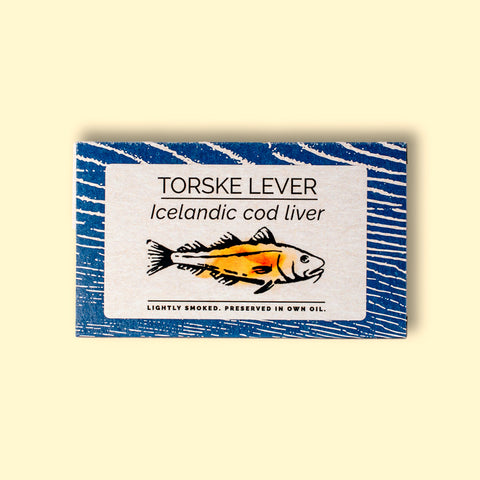
Cod liver is a rich, concentrated source of Omega-3 fatty acids for heart health, Vitamin D for healthy bones and Vitamin A for healthy vision and immunity. Monkfish liver is similarly dense in Omega-3, Vitamin A, Vitamin D, and selenium which protects against cell damage, boosts immunity, and is good for skin and hair health.
Monkfish liver is firm enough to slice, with a soft, silky texture. Cod liver has a similarly velvety texture but is soft enough to spread. Monkfish liver has a more subtle flavour than punchy cod liver. They are both called the foie gras of the sea because of their soft textures.
Try monkfish liver sliced on crackers with sesame seeds, added to a salad, or pincer between chopsticks and dunk it in soy sauce and vinegar. Monkfish liver is also famously salted, rinsed in sake and steamed to make the Japanese delicacy ankimo. The cod liver is excellent as a pâté spread sparingly on crusty, olive oil-drizzled toasted bread.
More about liver & roe
- The monkfish and cod are caught in Iceland, where it is prized for its high nutritional content.
- A 1922 scientific investigation into cod liver oil’s ability to cure rickets lead to the discovery of Vitamin D.
- The healthy fats and Omega-3 is distributed throughout the oily fish’s body, whereas it is concentrated in the liver of white fish like cod and monkfish.
- Fish roe or fish eggs often have a briny, oceanic flavour and a soft, buttery texture. Caviar is roe from the sturgeon.
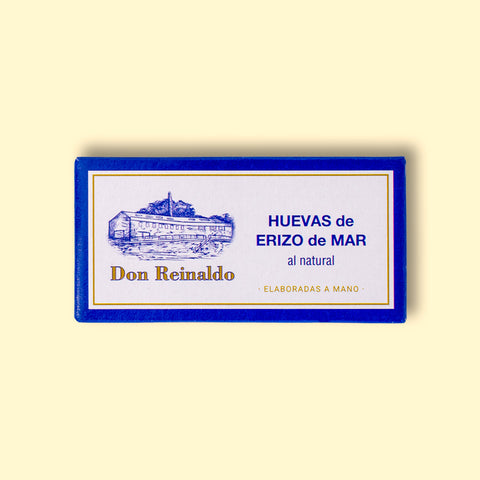
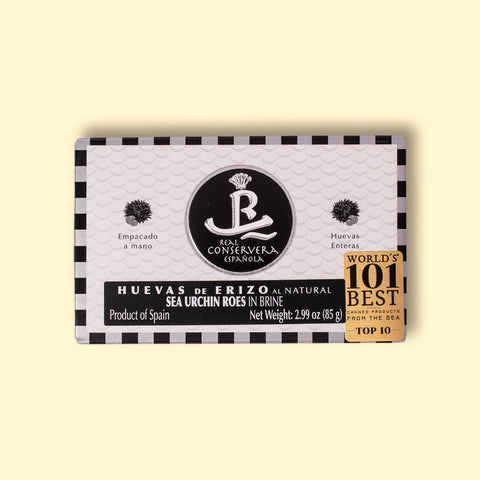
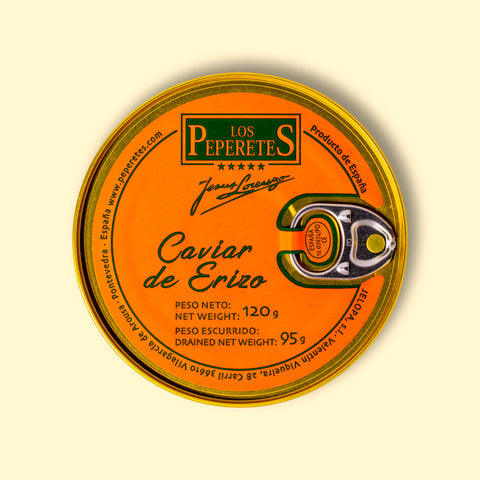
- Sea urchin roe, known as uni in Japan, is a good source of omega-3 fatty acids, protein, vitamin B12, calcium for strong bones and teeth and magnesium for healthy bones and muscles.
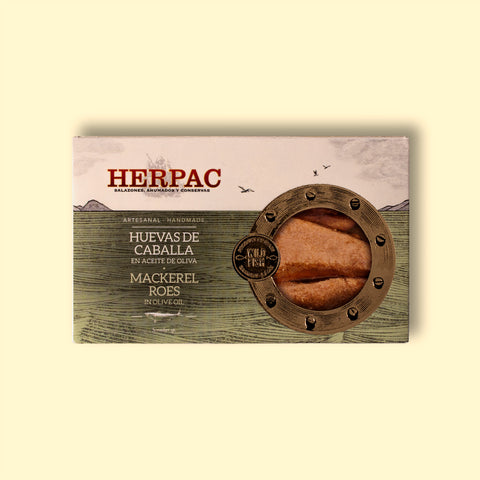
- Mackerel roe and hake roe are both particularly potent sources of Omega-3 fatty acids.