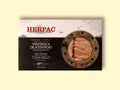
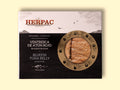
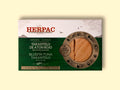
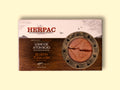
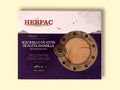
Bluefin tuna belly in olive oil. The fat-marbled flesh is tender, silken-textured and deeply flavoursome. This ventresca is from wild bluefin tuna caught off the Andalusian coast using 3,000-year-old artisanal fishing techniques.
Serving tip: keep it simple and smoosh on buttered toast to enjoy all of the ventresca's rich flavour.
About the cut: the ventresca or tuna belly is the most prized cut from the fattier underside of the tuna. It has the most concentrated fat content of the tuna cuts. Tarantelo is at the midpoint, and the loin is the leanest.
About the Bluefin tuna: the tuna is caught using almadraba traps, a three-thousand year old technique that relies solely on a maze of fixed nets, anchors, ropes and boats. The bluefin tuna is harvested sustainably: around 1% of the tuna that passes through the Strait is caught, and smaller tuna, which have yet to reproduce, are able to swim through the holes in the nets. The almadraba traps are set up from April to June, the time when the tuna pass through the Strait of Gibraltar. Towns along this stretch of the Costa de la Luz, including Barbate, hold festivals in May to celebrate the arrival of the tuna and this ancient tradition.
About the cannery: artisanal cannery Herpac is a family business, founded in 1986 by brothers Francisco and Diego Pacheco. Herpac is a portmanteau word, a blend of hermanos (brothers) and Pacheco. It began life as a small shop in the Andalusian fishing town of Barbate, specialising in mojama, tuna that is salted and air-dried in the sun. Today it employs 120 people, the vast majority of whom live in Barbate, and is lead by the third generation of the Pacheco family. It continues its mission to introduce the richness of the Barbate sea to tables outside Spain.